How to Sell at a Holiday Craft Fair: A Maker’s Day Plan
How to sell at a holiday craft fair: check the fit, price for the day, prepare checkout, and keep a clear sales and cash log throughout the event.
By Small Business Bundle by Cosmo Suite · Editorial policy
Published · 7 min read
Before you pay a booth fee, check that the fair suits your products and prices. Plan how you will set up, take payment, and record each sale. A clear log will help you judge the day afterward.
A list of “best-selling crafts” cannot tell you what will work at your fair. The event’s shoppers, your products, and your prices all matter. Use the organizer’s information and your own order history, then review the choice after the event.
In Short: Choose a fair that fits your work. Check the agreement and booth requirements. Price with the event costs in view. Prepare payment and recordkeeping before you arrive, then use the day’s results to decide what to change.
Check whether the fair fits your products
Before applying, check the organizer’s event description, past vendor mix, promotion, location, and rules. Ask who the event is for, what product categories it accepts, what the fee covers, and whether the organizer expects a particular display setup. A fair that looks festive may still be a poor fit if shoppers are looking for a different price range or product type.
Etsy’s craft fair application guide suggests reviewing the event’s past vendors and promotion, and tailoring an application to show your products and booth style. Treat those as research clues, not a promise of sales.
For a dated example, the Holiday Craft & Gift Festival lists a Las Vegas event for November 6–8, 2026, at The Expo at World Market Center. Check the organizer’s page directly for current details. This is an example of how to verify a listing, not a recommendation or confirmation that vendor spaces remain available.
Use it when: You are comparing events and need a reason beyond “it sounds busy.”
Price for the fair before you commit
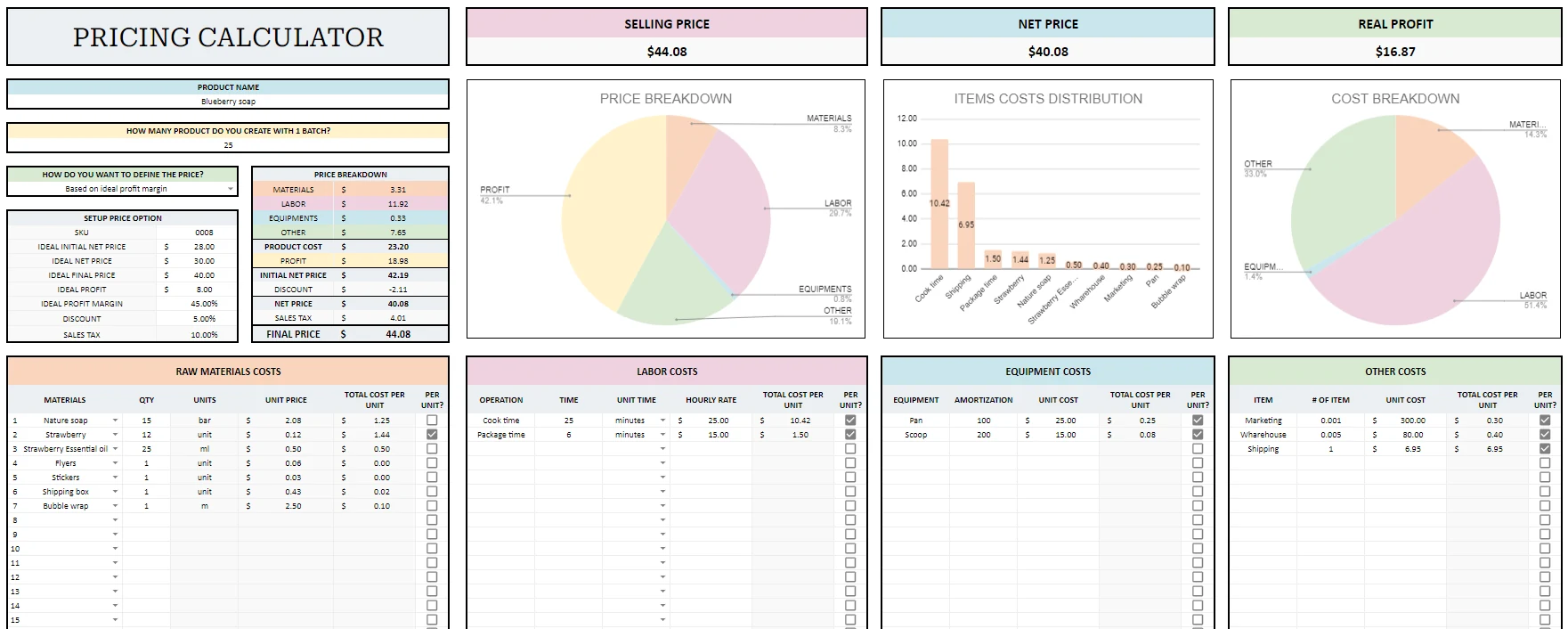
Calculate what each item costs you, then work out how much of the event cost you need sales to cover. Include materials, time, packaging, booth fee, travel, and any other cost you expect to pay for that fair. Keep the figures separate so you can see which items leave room for your margin.
| Write down | What to include | Why it matters |
|---|---|---|
| Item cost | Materials, making time, packaging, and a share of overhead | Shows the cost behind each price |
| Fair costs | Booth fee, travel, meals, parking, and supplies bought for the event | Shows what the day adds to your costs |
| Price and margin | Your selling price and the amount left after item costs | Helps you decide whether the price works for you |
| Break-even sales | Fair costs divided by the average amount left per sale | Gives you a target to compare with the result |
For a break-even estimate, divide your fair costs by the average contribution per sale: fair costs ÷ average contribution per sale = sales needed to cover the fair costs. Round up to a whole sale. Contribution means the sale amount left after the item’s variable costs. If different products have different margins, use a sensible mix based on your own past orders rather than assuming every sale is the same.
Small Business Bundle’s guide to pricing handmade items walks through materials, time, overhead, and margin. Its wholesale and retail price guide explains how channel prices can differ. Neither replaces checking your own costs for a specific event.
Use it when: You need to decide whether the booth fee and travel make sense for your prices.
Choose what to display from evidence you have
Do not build your display around a claim that one craft is the hottest seller. Start with the products people already ask about, reorder, or buy through your other channels. Compare those items with the event’s rules, audience, and expected price range.
A simple decision table can keep the choice grounded:
| Product | Your evidence | Fair fit | Decision |
|---|---|---|---|
| Item A | Past orders, repeat questions, or custom requests | Allowed by the rules and suits the audience | Display or test |
| Item B | Interest is unclear | Price or audience fit is uncertain | Ask the organizer or make a small test |
| Item C | Low interest or difficult to explain | Poor match or restricted | Leave it out |
This is a display choice, not a stock forecast. Make only what you can afford to bring, and keep the event’s rules and your production time in mind. If you lack useful sales history, treat the fair as a test. Note which items shoppers stop to ask about, even when they do not buy.
Prepare checkout, display, and a backup
The Etsy craft fair checklist covers display signs, packaging, a receipt or sales book, payment options, a repair kit, and checking permits or outdoor setup requirements with the organizer. Use the event agreement as the final source for its rules. For an outdoor booth, confirm canopy and weight requirements before packing.
Before the day, test your payment setup and decide how you will record cash and non-cash sales. Bring a written backup for the essentials: prices, payment methods accepted, and a way to note each transaction if a device or connection fails. Label prices clearly so customers can browse without needing to ask about every item.
Keep the display readable. Group similar items, leave room for customers to look, and place small signs where they answer common questions. Pack the tools needed to repair or reset your display, along with bags or packaging that suit the items you sell.
Use it when: You want checkout to keep moving even if a phone, reader, or connection has a problem.
Keep a sales and cash log during the event
Record each sale when it happens, not from memory at closing. Note the item, amount, payment method, and any discount or refund. Keep event expenses and personal spending separate. If you accept cash, write down the opening float and any cash added or removed so the closing count has context.
The IRS recordkeeping guidance says records help track business progress and support gross receipts and expenses. It gives a calendar of daily income and expenses as one possible system. Keep the records and documents needed for your situation, and ask a tax professional about local requirements.
A basic event log can use these columns:
| Time | Item or order | Sale amount | Payment method | Discount or refund | Note |
|---|---|---|---|---|---|
| At each sale | What the customer bought | Amount received | Cash or chosen method | Record any change | Optional question or request |
At closing, count cash and compare it with the cash sales in your log. Check the other payment records against their totals. If something does not match, write down what you found while the day is still fresh. Do not silently change a number to make the totals agree.
Review the day before choosing the next fair
After the event, subtract item costs and fair expenses from sales to see what the day left you. Then consider time spent preparing and attending. A busy booth is not automatically a profitable day, and a quiet event may still teach you which products attracted the right questions.
Write down what sold, what drew attention, what customers asked for, and any setup problem. Compare those notes with the event description and your original decision. Use the result to change one thing next time, such as the display, the product mix, or whether you apply to that fair again.
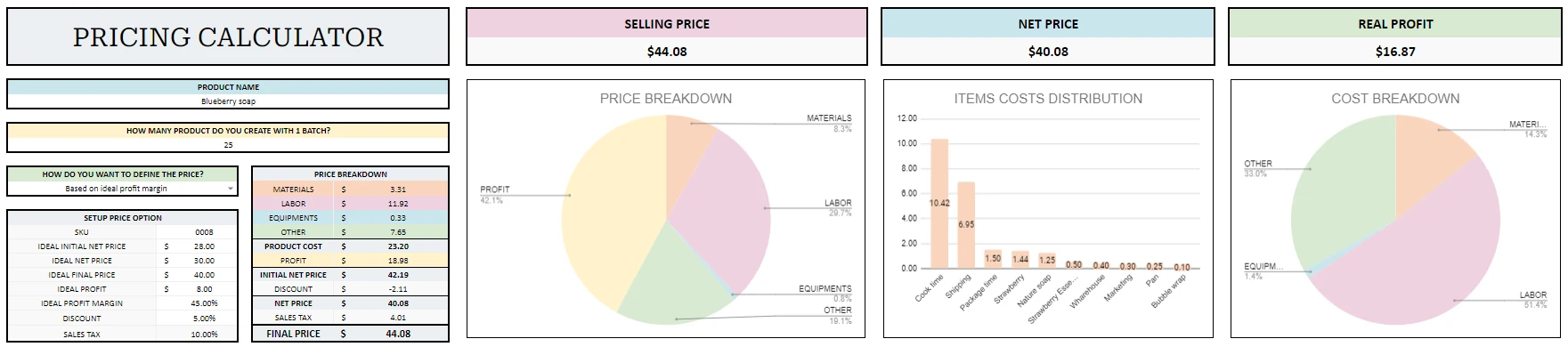
If you want one place for your order details and pricing work, see Small Business Bundle. It includes an Order & Customer Tracker for orders and customers, plus a Pricing Calculator for product costs and prices. It is a spreadsheet bundle, not a point-of-sale or payment processing service.

Why Trust This Article
Small Business Bundle is our product. We checked the event-preparation advice against Etsy Seller Handbook pages and used the IRS recordkeeping page for the recordkeeping point. We checked the Las Vegas event date and venue on the festival organizer’s page on October 19, 2026. Event details can change, so verify them with the organizer. This article does not predict sales or give tax advice. Read our editorial policy for how we handle sources, and about us for information about the team behind Small Business Bundle.
How Small Business Bundle Handles This
Small Business Bundle is a set of four linked spreadsheets for the records and pricing work around a small business. A craft fair can leave you with orders, customer details, and prices to review later. The bundle has 25+ tabs for Excel 365 and Google Sheets. Its Order & Customer Tracker has nine tabs, and its Pricing Calculator has three. The bundle does not process payments or act as a point-of-sale system.
If you want to keep order and customer details together with your pricing work, see Small Business Bundle. Use your own payment service at the fair, and record its sales in the way that works for your business. For a broader look at the spreadsheet contents, read our small business spreadsheet guide.
Further Reading
Frequently asked questions
What sells best at holiday craft shows?
There is no reliable answer for every fair. Check the event’s past vendor mix, ask the organizer about its audience, and use your own order history to choose what to display.
What should I not sell at a craft fair?
Avoid items that do not fit the fair’s rules, your capacity, or your costs. Read the vendor agreement and confirm any restrictions with the organizer before you apply or make a batch.
What is the hottest selling craft right now?
No single craft is hottest at every event. Demand depends on the fair, its shoppers, the price, and your own product. Look for evidence from the organizer and your customers instead of a trend list.
How do I price items for a craft fair?
Start with each item’s full cost, including supplies, your making time, and a share of overhead. Add the fair costs you need to recover, then compare the price with similar items and your margin target.
Should I take cash and cards at a craft fair?
Choose payment methods you can accept reliably and check the organizer’s rules. Bring a way to record each sale and a backup plan if connectivity or a device fails.
How do I know if a craft fair was worth it?
Record sales, payment method, refunds, and event costs on the day. Afterward, compare what you kept with the time and costs involved, then note which items drew questions or orders.
