Craft Business Ideas: Start With What You Already Have
Craft business ideas can start with your tools, skills, or leftover supplies. Pick one small product, price a test batch, and check demand before buying more.
By Small Business Bundle by Cosmo Suite · Editorial policy
Published · 7 min read
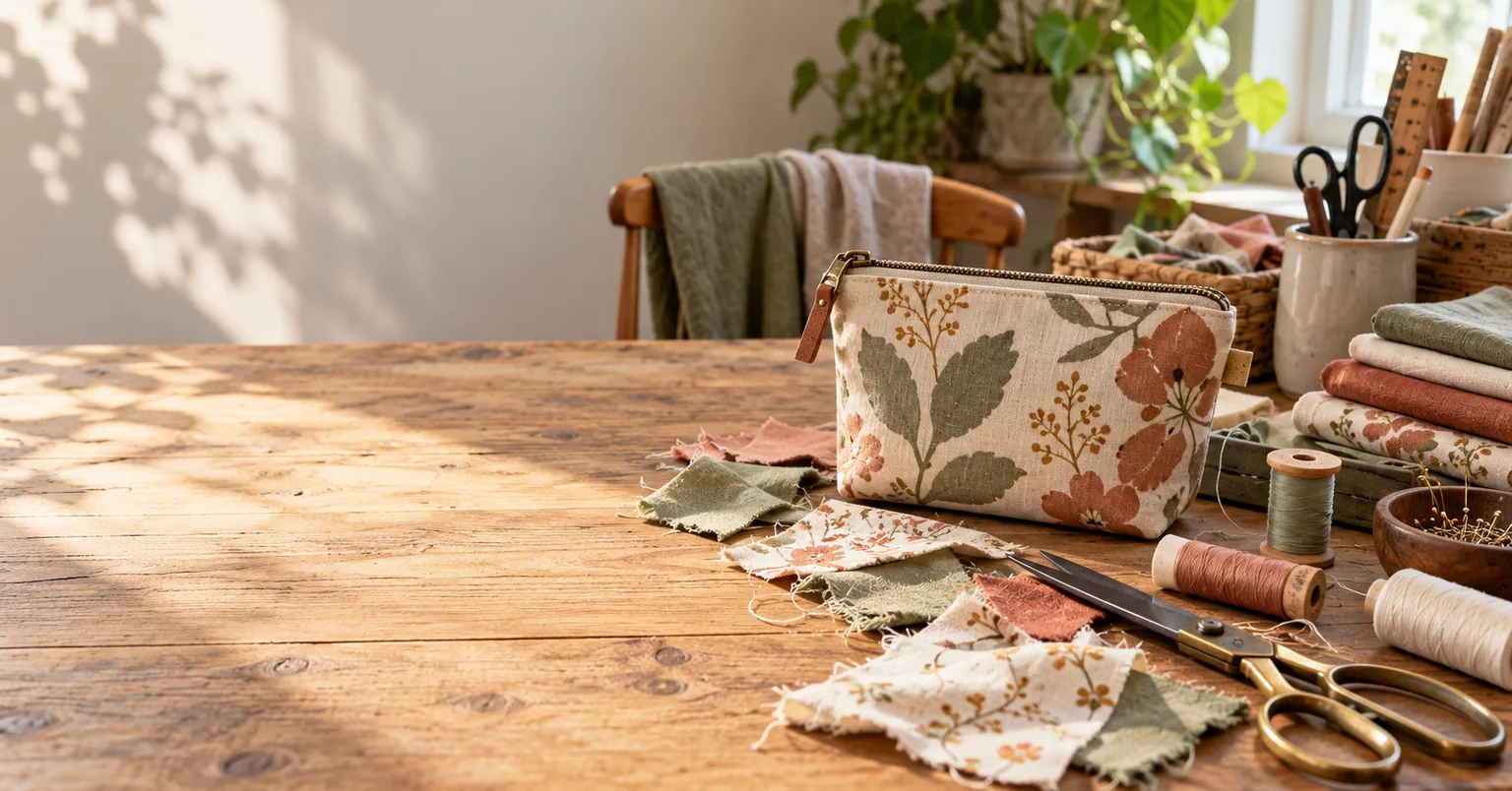
Craft business ideas are easier to test when they begin with a tool, skill, or material you already have. Pick one item you can make in a small batch, add up every cost, and show it to the buyers you hope to reach before you stock up.
A craft business is a small business that makes and sells handmade products, often in small batches. Your idea needs to fit both the work you can do and the buyers you can reach.
When a test turns into an order, this small business spreadsheet guide shows how to keep the paperwork linked.
Start at your worktable. What can you make confidently with the supplies already there? It might be a sewn accessory or a small decor item. Before buying more, put a cost beside it and ask a likely buyer.
In Short: make a short list from your existing tools, skills, and usable supplies. Choose one product with a clear buyer, price a test batch, then look for signs of interest before expanding.
Craft Business Ideas to Test With a Small Batch
Treat these as starting points. Match each idea to materials and skills you can use now. The cost column names what to count before you decide on a batch size.
| What you already have | Product to test | First-batch costs to check | A useful first test |
|---|---|---|---|
| Sewing machine and fabric offcuts | Small pouches, bowl covers, or fabric gift bags | Thread, closures, lining, labels, packaging, and time | Show two sizes to people who buy handmade gifts |
| Paints and a steady hand | Hand-painted ornaments, cards, or small signs | Blanks, paint, sealant, failed pieces, and protective mailers | Photograph the surface detail and ask which design fits a real occasion |
| Beads, wire, and jewelry tools | A limited-color earring or bracelet set | Findings, beads, display cards, packaging, and assembly time | Make a few coordinated designs and ask which one a buyer would wear or gift |
| A craft you can teach | A small beginner kit with clear instructions | Materials per kit, printed guide, packing materials, and assembly time | Let one beginner try the instructions and note where they get stuck |
| Scrap wood or basic hand tools | Small signs, plant markers, or simple desk pieces | Blanks, finish, fasteners, sanding supplies, and safe shipping | Offer one size and one finish before adding options |
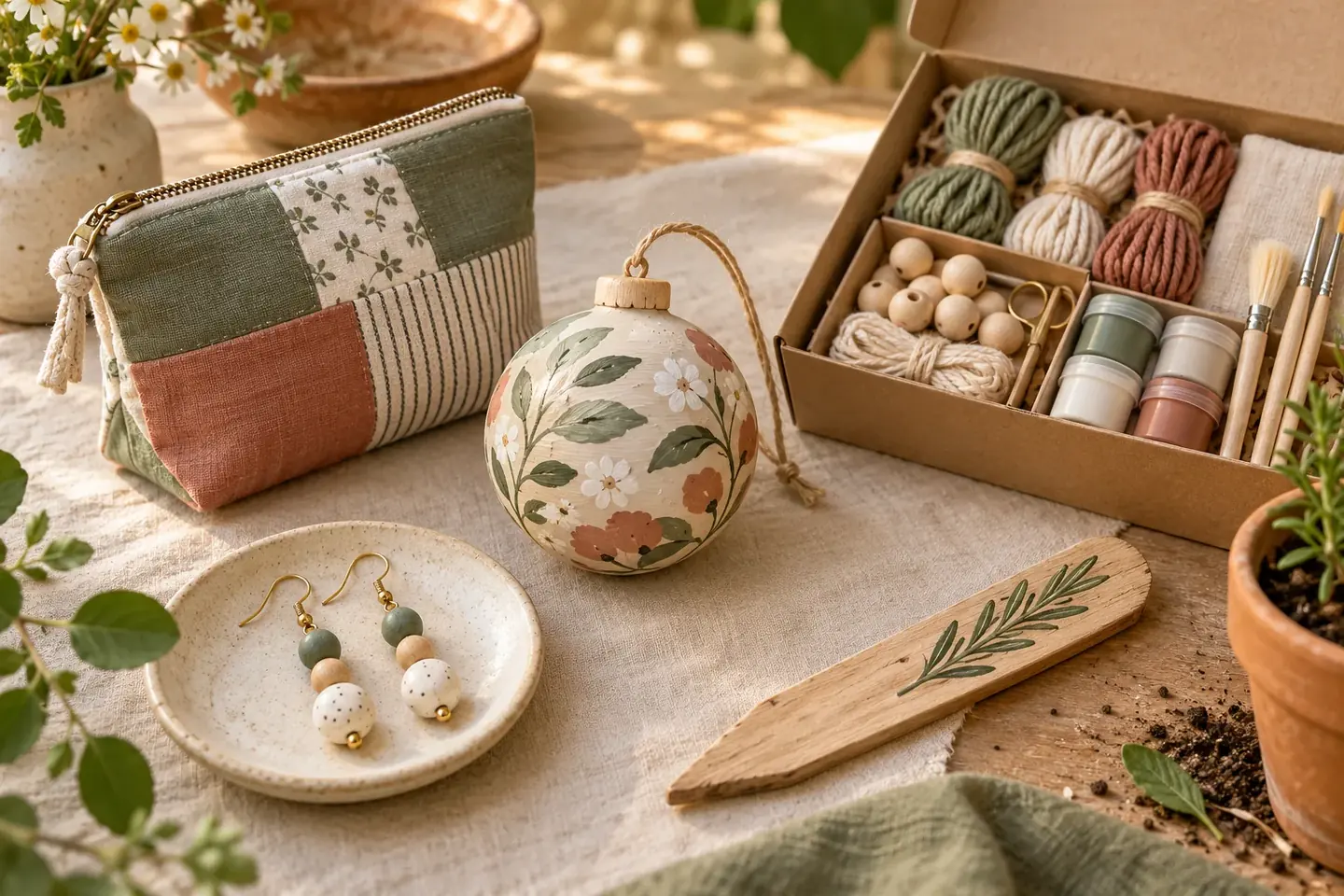
Start with the line that uses the most things you already own. If the first version needs a new machine, a bulk order, or a complicated set of variations, choose a smaller version for the test.
If the test involves more than one item, a simple pricing and order tracker can keep each product's costs and orders together.
For a seasonal angle, check what shoppers are discussing in your category. Etsy's Fall and Winter 2026 Seller Trend Report, published 14 October, describes themes from its recent search and sales data, including visible handmade details and craft kits. Those signals can suggest a product to investigate; they cannot tell you whether your customers will buy it. Use a small-batch idea as a model for separating a test from a full launch.
Turn a Hobby Into One Clear Product
A hobby can lead to many possible products. A buyer needs to understand one of them quickly. Choose a specific object, who might use it, and the moment they would buy it for.
“I sew” is a skill. “A lined pouch for carrying embroidery scissors and thread” is easier to picture and discuss. “I paint” becomes a testable product when you choose one subject, one size, and one use, such as a small name sign for a child's room.
Try this three-part description:
- The item: name the finished object, not the process.
- The buyer or occasion: choose someone you can reach, such as market shoppers looking for a small host gift.
- The reason it is distinct: point to a real choice you made, such as a size, material, motif, or customization option.
Keep the first version narrow. If buyers ask for a different size or color, write that down. It is evidence for a later variation, not a reason to buy every color now.
Find an Idea in Your Tools, Skills, and Scraps
Walk through your work area and write down three lists: tools you use often, steps you can do confidently, and leftover materials that are still usable. The best leads often combine a skill with supplies you already own. For example, someone who can sew and has sturdy offcuts could test a small pouch before buying fabric by the bolt.
| Starting point | Ask yourself | Possible direction |
|---|---|---|
| A tool you own | What small object can I finish with this tool? | A batch of cut, stamped, sewn, painted, or assembled pieces |
| A skill you have | Which step do people ask me to show them? | A beginner kit, pattern, or short workshop handout |
| Usable offcuts | What can I make from pieces of this size? | A coordinated set, small accessory, or sample pack |
| A repeat task | What do I make for friends or local events? | A giftable version with a clear size and use |
Leftover material still has a cost. Count what you used at the price you would pay to replace it. Otherwise, an item made from scraps can look profitable on paper while using supplies that could have gone into another product.
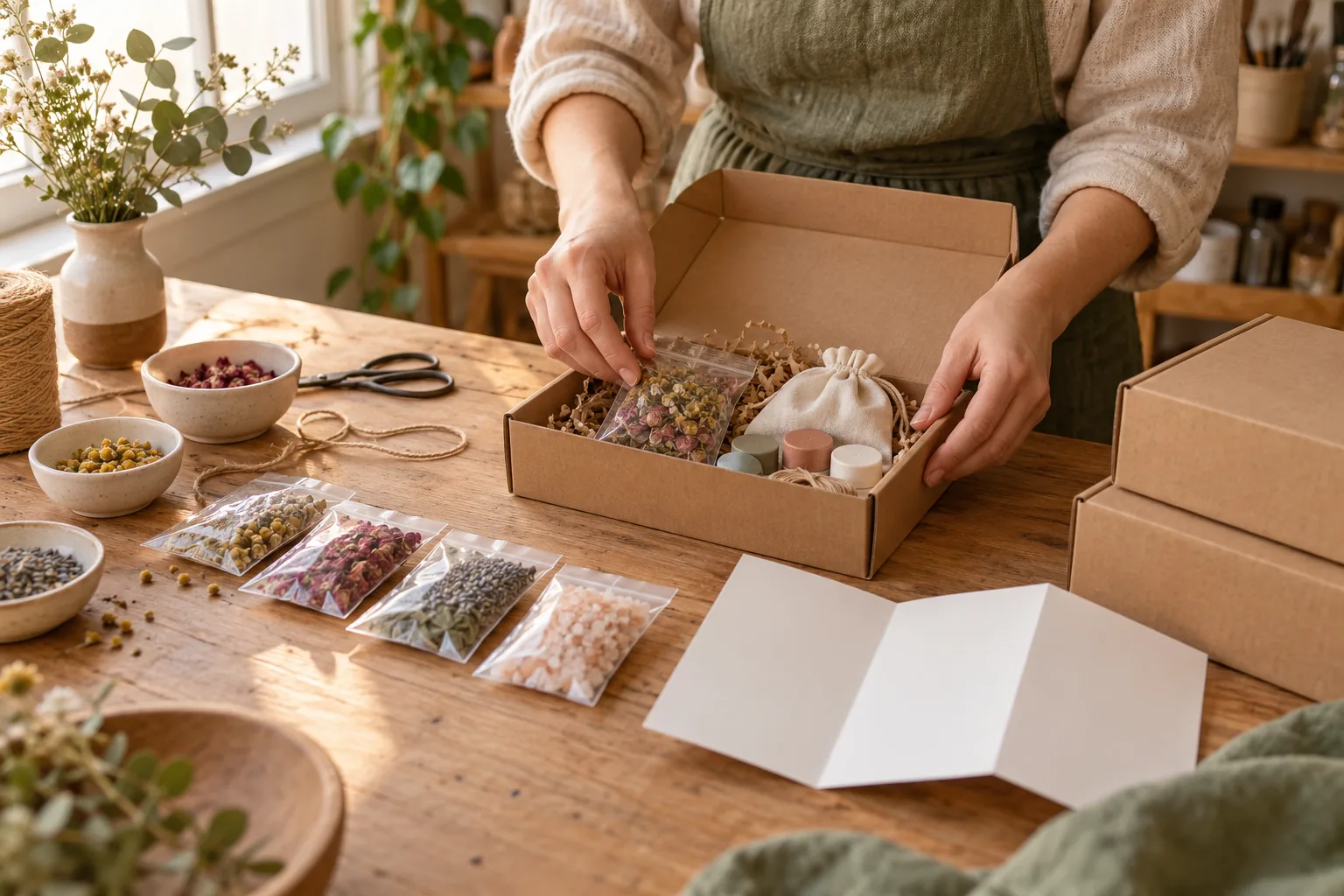
This is also where a small kit can work well. If you already know how to make an item, package only the pieces and instructions someone needs to try it. Before you sell it, ask a beginner to follow the instructions without your help. Note any missing step or tool.
Price the First Batch Before You Buy More
Write down the quantity you plan to make, then list the materials, packaging, labels, and any tools you must buy. Separate reusable tools from supplies that go into each item. Include your making time when you compare possible prices.
Here is a fictional example to show the arithmetic. Suppose a maker assembles 8 beginner kits. Materials cost $24, printed guides cost $4, and packaging costs $8. The batch costs $36 before labor, selling fees, or postage: $36 ÷ 8 = $4.50 per kit. The $4.50 figure is not a suggested price. The maker still needs to account for time and selling costs.
The U.S. Small Business Administration recommends listing startup expenses, estimating what they cost, and separating one-time costs from monthly costs in its startup-cost guidance. For a craft test, use that same habit on a smaller scale: record what you buy once, what each finished item uses, and what you still need to learn. The SBA also describes break-even as fixed costs divided by price minus variable cost per unit. That can help with a later decision about whether a larger batch makes sense.
The product pricing calculator can help organize material, labor, and selling-cost inputs once you have your own figures.
Give the test a limit before you start. Choose how many pieces you can finish with the time and supplies already available. Write down what would make you repeat the batch, such as a paid order, a request for a second size, or several buyers asking the same question. This keeps a slow response from turning into a larger materials bill. It also gives you a result you can compare with the next idea.
Check Demand Before You Expand
You do not need a large inventory to learn whether people understand the idea. Make one sample, photograph it clearly, and show it to people who match the buyer you had in mind. Ask what they would use it for and what questions they have.
Record actions, not compliments alone. A person asking for a size, delivery date, or custom option has given you a detail to follow up on. An inquiry or paid order is a stronger signal. Neither one guarantees a steady market, so keep the test small until you see a pattern.
If you sell through a marketplace, use its search tools and seller guidance to learn the language buyers use. Etsy's current trend report is one source for seasonal prompts, while your own listing views, messages, and orders tell you how your specific product is doing. Keep notes on the date and what you changed. Changing the product, photos, and price all at once makes the result harder to read.
Why Trust This Article
Small Business Bundle is made by Cosmo Suite, which sells tools for the paperwork side of a small business. We checked the U.S. Small Business Administration startup-cost guidance and Etsy's Fall and Winter 2026 Seller Trend Report on 28 October 2026. The kit arithmetic above is fictional and included to show the calculation; it is not a supplier quote or a sales result. Trend data describes Etsy activity, not a promise about your product. Check supplier prices and local rules for your own situation. Read our editorial policy, about page, and contact page for more about the site.
How Small Business Bundle Handles This
Once an idea has a real cost list, Small Business Bundle can help keep product prices and orders in one place. Its Pricing Calculator includes materials, labor, and other cost inputs. The Order & Customer Tracker records orders and customer details. It does not find a product idea, validate demand, or replace a store or payment processor.
If you want to organize your own product costs, Small Business Bundle includes linked spreadsheets for pricing and order tracking. It is a one-time download for Excel 365 and Google Sheets. Excel and Google Sheets are trademarks of their owners. Small Business Bundle is not affiliated with either company.
Frequently asked questions
What is the easiest craft business to start?
Start with a craft you can already make with tools you own. A small first batch keeps the materials bill and the time at risk limited while you check whether buyers want it.
How do I choose a craft to sell?
List the materials, tools, and skills you already have. Match one to a buyer or occasion you can reach, then test a small batch before buying more supplies.
How much money do I need to start a craft business?
There is no single startup cost. Add the supplies, packaging, labels, and any tools you must buy for one test batch. Keep one-time tools separate from costs that repeat with each item.
Can I start a craft business with leftover materials?
Yes, if the pieces are usable and you count their replacement cost when pricing the product. Leftovers can lower the cash needed for a test, but they do not make materials free.
How do I know if a craft idea will sell?
Show a clear sample to the people you want to reach, ask what they would use it for, and record actual inquiries or orders. Search interest can guide a test, but it does not guarantee sales.
Should I buy supplies before I have orders?
Buy only what you need for a small test unless an order requires more. Check the cost per finished item, your making time, and packaging before committing to a larger quantity.